Why I'm Not Signing the CASA Contract
Ellen Wu, Urban Habitat
Tuesday January 29, 2019 - 09:50:00 PM

Two years ago, the Metropolitan Transportation Commission (MTC) invited me to be part of the Steering Committee for CASA, a committee dedicated to identifying and acting on regional solutions to the Bay Area’s housing affordability crisis.
At Urban Habitat, we knew this was important work. Everyone is feeling effects of the housing crisis, and we saw participating in CASA as an opportunity to advance racial equity, raise consciousness around historic and continued regional segregation, and fight displacement.
We worked with our partners at every step. We co-convened the 6 Wins for Social Equity Network and, together, advocated for a “tenant protection first” approach. We knew it was critical to first stabilize gentrifying communities so that existing residents can prosper in place, and then work to preserve and produce deeply affordable housing.
MTC is currently collecting signatures for the final CASA Compact from the Co-Chairs and Steering Committee. My signature will not be on it.
Unfortunately, while the final Compact includes much-needed tenant protections and affordable housing revenue proposals, it falls short in protecting vulnerable communities from the risk of continued displacement.
Policymakers need to put in place strong tenant protection policies before introducing any up-zoning and streamlining of market-rate housing. In addition, no up-zoning or streamlining should take place in communities at risk for displacement and gentrification. These places should be identified based on a geographical analysis developed with meaningful community engagement.
Elements of the CASA Compact will now be turned into state bills. As these bills move through the state legislative process, we must continue advocating for solutions to the housing crisis that are rooted in racial justice, self-determination, and de-commodified housing alternatives. Beyond CASA, Urban Habitat will deepen our collective political analysis so that we can develop visionary land and housing strategies, and stop false solutions that continue to tear apart low-income communities and communities of color.
At Urban Habitat, we knew this was important work. Everyone is feeling effects of the housing crisis, and we saw participating in CASA as an opportunity to advance racial equity, raise consciousness around historic and continued regional segregation, and fight displacement.
We worked with our partners at every step. We co-convened the 6 Wins for Social Equity Network and, together, advocated for a “tenant protection first” approach. We knew it was critical to first stabilize gentrifying communities so that existing residents can prosper in place, and then work to preserve and produce deeply affordable housing.
MTC is currently collecting signatures for the final CASA Compact from the Co-Chairs and Steering Committee. My signature will not be on it.
Unfortunately, while the final Compact includes much-needed tenant protections and affordable housing revenue proposals, it falls short in protecting vulnerable communities from the risk of continued displacement.
Policymakers need to put in place strong tenant protection policies before introducing any up-zoning and streamlining of market-rate housing. In addition, no up-zoning or streamlining should take place in communities at risk for displacement and gentrification. These places should be identified based on a geographical analysis developed with meaningful community engagement.
Elements of the CASA Compact will now be turned into state bills. As these bills move through the state legislative process, we must continue advocating for solutions to the housing crisis that are rooted in racial justice, self-determination, and de-commodified housing alternatives. Beyond CASA, Urban Habitat will deepen our collective political analysis so that we can develop visionary land and housing strategies, and stop false solutions that continue to tear apart low-income communities and communities of color.


 Traffic moves slowly near Seatte, WA, where a majority of drivers say they support other people using mass transit.

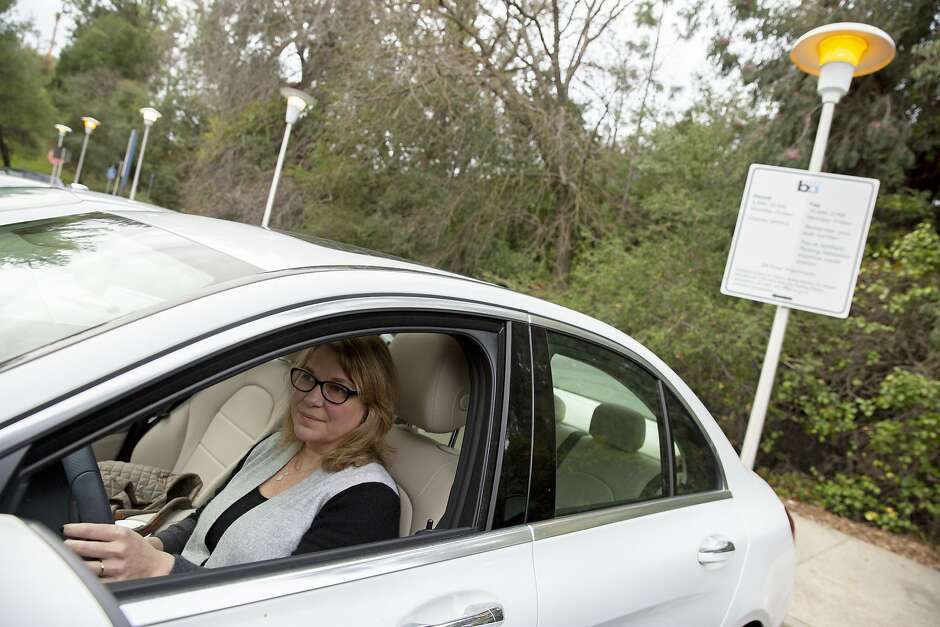
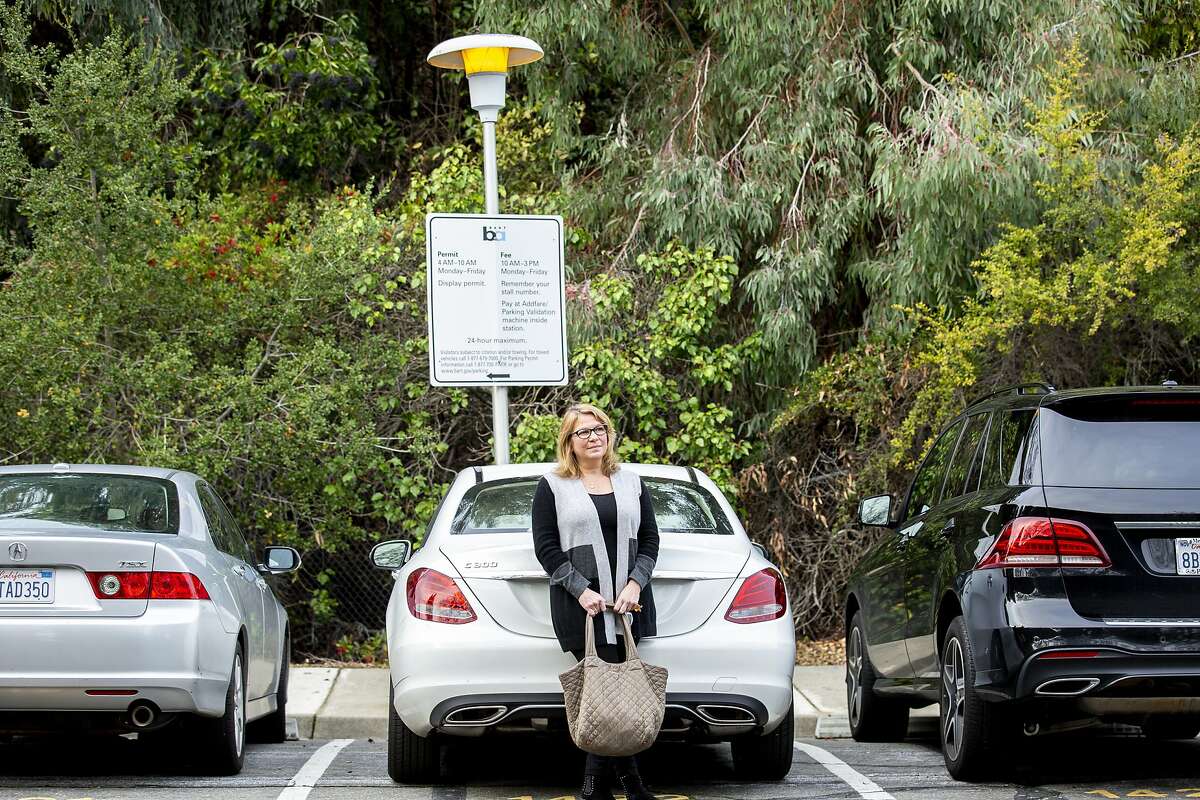 1of2Joy Hoffmann paid $2,220 cash for another BART rider’s permit to park in the Lafayette Station lot until she got a space in S.F.Photo: Santiago Mejia / The Chronicle



 1of3Oakland real estate agent Mel Copland owns one of several empty lots on Oakwood Court in the Montclair neighborhood. He said it’s too expensive to bring infrastructure to the property and the value of the land has dropped 50 percent since the last recession.Photo: Yalonda M. James / The Chronicle
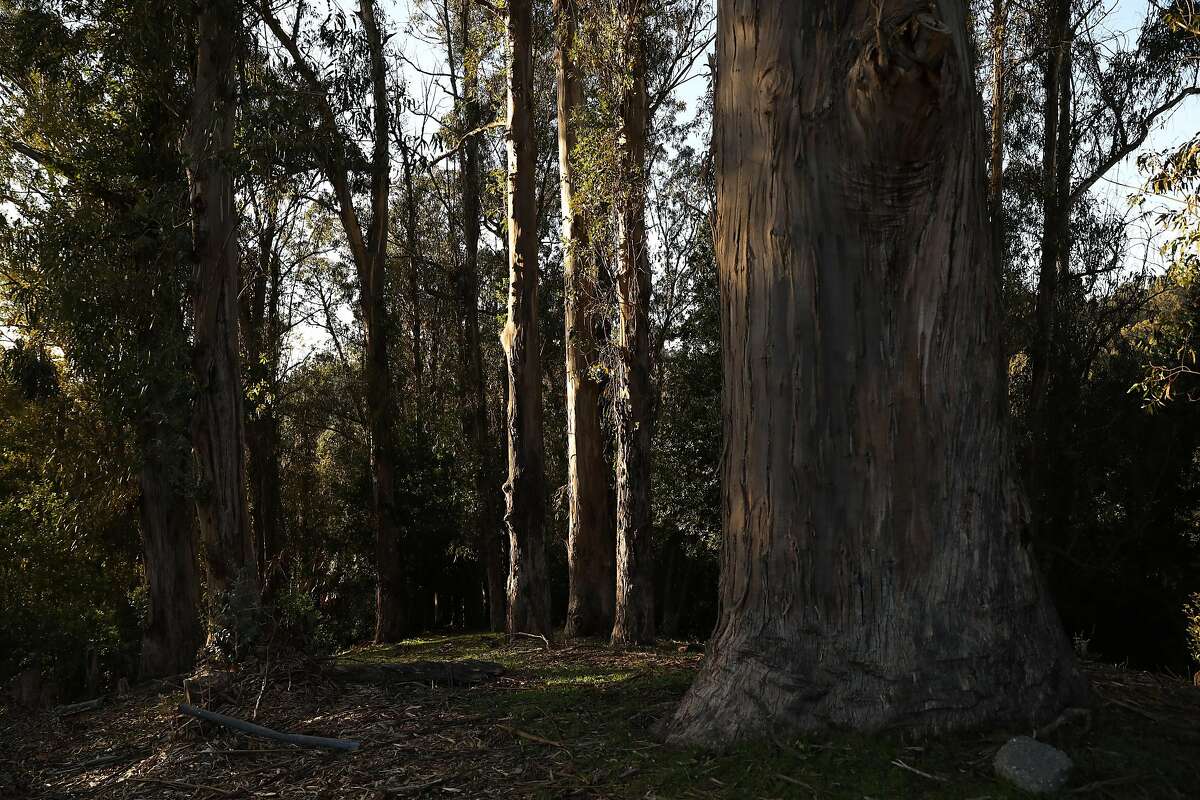 2of3Eucalyptus trees stand on a vacant lot on Oakwood Court in Oakland’s Montclair neighborhood. Oakland voters passed a vacancy tax, but details about how it will be implemented remain unclear.Photo: Yalonda M. James / The Chronicle
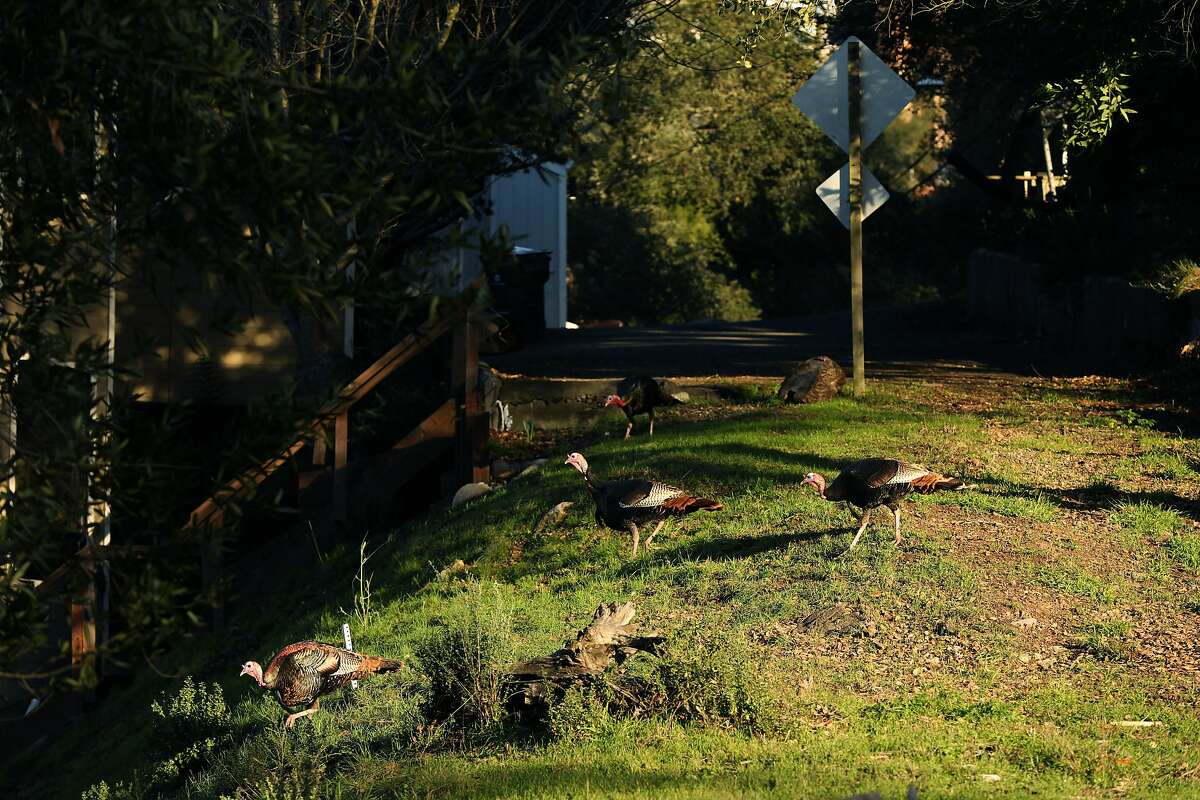 3of3Turkeys cross over to a vacant lot on Oakwood Court in Oakland’s Montclair neighborhood. There are 10 exemptions to Oakland’s new vacant-property tax, as described in Measure W, but not a lot of certainty about how it will be implemented.Photo: Yalonda M. James / The Chronicle
%26utm_source%3Dfacebook.com%26utm_medium%3Dreferral&name=Oakland%27s%20vacant-property%20tax%20takes%20effect%2C%20sparking%20hope%20-%20and%20alarm&description=As%20San%20Francisco%20supervisors%20consider%20putting%20a%20vacant-property%20tax%20on%20the%20November%20ballot%2C%20Oakland%20is%20struggling%20with%20the%20reality%20of%20implementing%20one.%20Oakland%20voters%20in%20November%20approved%20a%20tax%20that%20applies%20to%20any%20privately%20owned%20property%20in%20the%20city%20%E2%80%94%20including%20residential%2C%20commercial%20and%20empty%20lots%20%E2%80%94%20that%20is%20not%20%E2%80%9Cin%20use%E2%80%9D%20for%20more%20than%2050%20days%20in%20a%20calendar%20year%20starting%20in%202019.%20The%20annual%20tax%20is%20%246%2C000%20per%20parcel%20for%20most%20properties%2C%20regardless%20of%20size%20or%20value.%20The%20tax%20for%20condo%20or%20duplex%20units%20or%20ground-floor%20commercial%20space%20is%20%243%2C000%20per%20year.%20There%20are%2010%20possible%20exemptions.%20The%20tax%20will%20be%20added%20to%20annual%20property%20tax%20bills%20starting%20with%20the%20one%20that%20goes%20out%20next%20year.%20It%20will%20continue%20for%2020%20years.&picture=https%3A%2F%2Fs.hdnux.com%2Fphotos%2F01%2F00%2F14%2F03%2F16826593%2F5%2FrawImage.jpg&redirect_uri=https%3A%2F%2Fwww.sfchronicle.com%2Fbusiness%2Fnetworth%2Farticle%2FOakland-s-vacant-property-tax-takes-effect-13563273.php%3Futm_campaign%3DCMS%2520Sharing%2520Tools%2520(Premium)%26utm_source%3DUTMSOURCE%26utm_medium%3DUTMMEDIUM)